Stop Buying “Restaurant Coaching” That Doesn’t Touch the Floor
Most restaurant owner coaching is built for franchises or for people who have never had to pull themselves off the schedule to make payroll.
You get mindset talk, branding chatter, and big promises, but no one is in your numbers or actually breaking down how your floor is running. That is how owners stay busy, stressed, and short on cash, even when the room looks full.
We are talking about something different here. Real operator support, stage by stage, tied to what actually happens on a Friday night and a slow Tuesday—through your numbers, your systems, and how the operation actually runs.
Most of this work should happen off the floor, through your numbers, systems, and how your operation actually runs day to day. That is where the real leverage is.
Pre-open, stabilize, scale: we will walk through the concrete deliverables, the KPIs that matter, and how to tell in minutes if a coach understands restaurants or just likes talking about them. With patios opening and summer coming, getting this right now is the difference between a strong fall and being burnt out, broke, and wondering what happened.
Before You Open: What to Lock in so You Don’t Bleed Cash
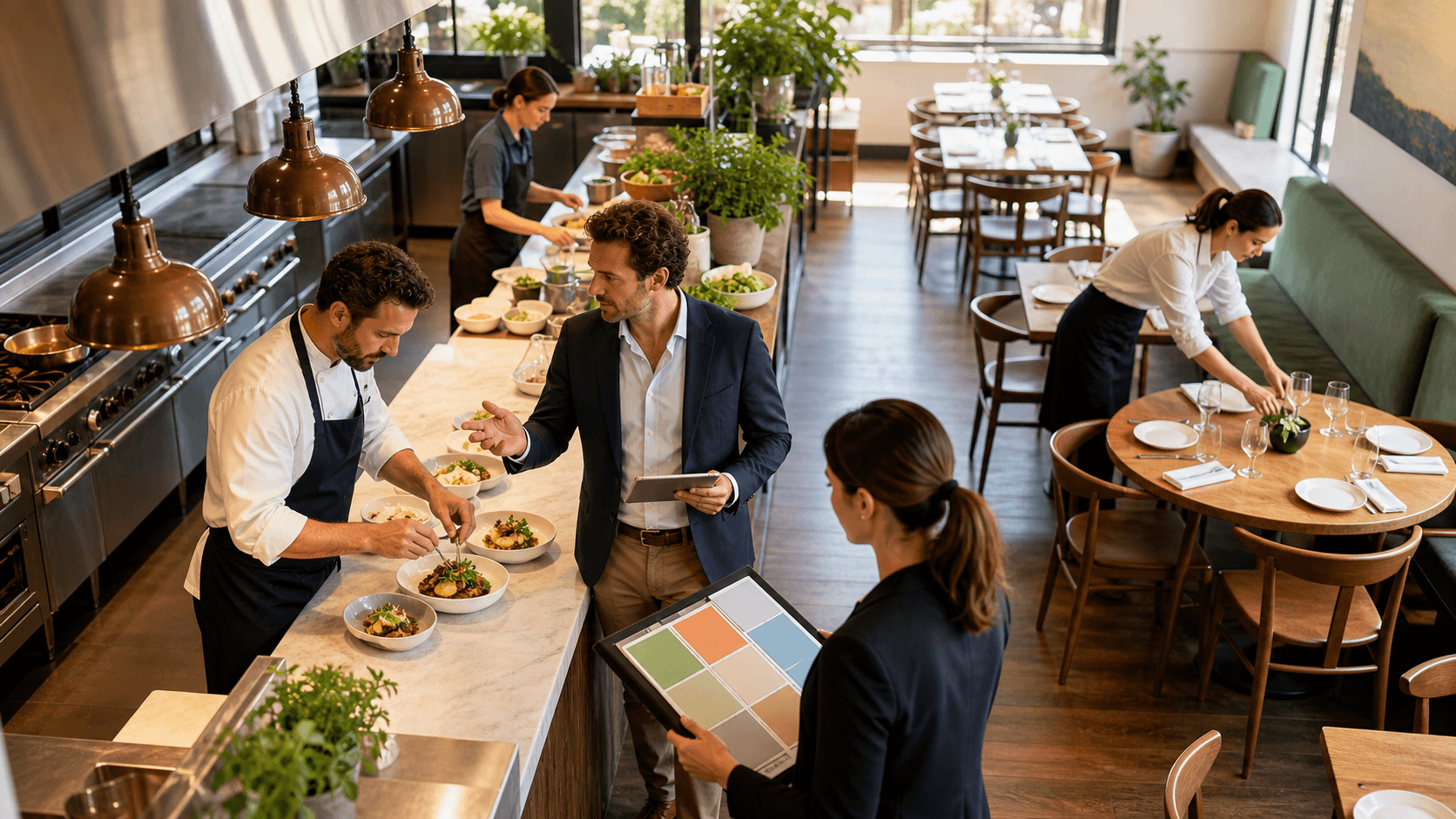
Pre-open is where most of the long-term pain gets baked in. Bad menu economics, wrong floor plan, weak labour model, and fantasy sales targets will chase you for years.
Real restaurant owner coaching before opening should lock down things like:
- Menu engineering before you print: plate cost down to gram or ounce, target food cost by category, and contribution margin per dish • Floor map tied to a labour model: seat count linked to real turns per service, with staffing by daypart, not just a random number of bodies • Pre-open budget reality: a 13-week cash flow, daily break-even sales, and a promo plan that does not train guests to wait for discounts
By the time you open, you should have non-negotiable deliverables, not just a mood board:
- A living pre-open P&L with projected COGS, labour, and operating expenses, and a simple break-even target that any line cook can understand if you explain it • A hiring and training roadmap, by role, by date, with training shifts mapped to checklists and to the opening-week menu • A clear opening playbook: service standards, table turn goals, comp and void rules, and who handles what when something goes sideways
In the first 90 days, the KPIs that matter are not likes on social media. They are:
- Weekly prime cost by category, food, beverage, and controllable labour, not just an end-of-month surprise • Service speed and table turns: time to seat, first drink, food on the table, and realistic turn targets by day of week • Guest acquisition and retention: what it costs to bring in a new guest per channel, and how many people come back within 30 or 60 days without heavy discounting
Stabilize Phase: Getting Out of Constant Firefighting Mode
Once the doors are open and the first rush is past, most owners get stuck in a messy middle. Some nights are slammed, others are slow, margins bounce around, and getting a real day off feels like a fantasy.
Coaching in this phase has to move from launch planning to plugging leaks. The questions shift to:
- Why are we busy and still broke? • Why can we not staff properly without me covering? • Why do we keep fixing the same problems every week?
You do not need a 200-page SOP binder that no one reads. You need simple systems people actually use:
- A weekly ops rhythm: set days and times for inventory, ordering, prep lists, pre-shift meetings, and manager check-ins • Core tools: recipes with real yields, order guides with pars, schedule templates by sales band, and checklists that live where staff actually see and use them • Marketing that fits an independent: a tight offers calendar, tracking what brings in the right guests, and clear rules for influencers, partners, and third-party apps
Stabilization coaching should ride a few key KPIs week after week:
- Prime cost trend over a 12-week window: are food, beverage, and labour getting closer to target, or just “feeling better”? • Hourly sales and labour productivity: sales per labour hour by department, average check, and covers per labour hour • Guest experience signals that are not just vanity: Google review trend, complaint rate, comp and void percentage by reason, and table turn time compared to target
Scale Phase: Growing Without Destroying Your Life or Culture
Scale for an independent is not always a second location. Sometimes it is about getting more profit and more time from the same four walls. That means leverage, not just more chaos.
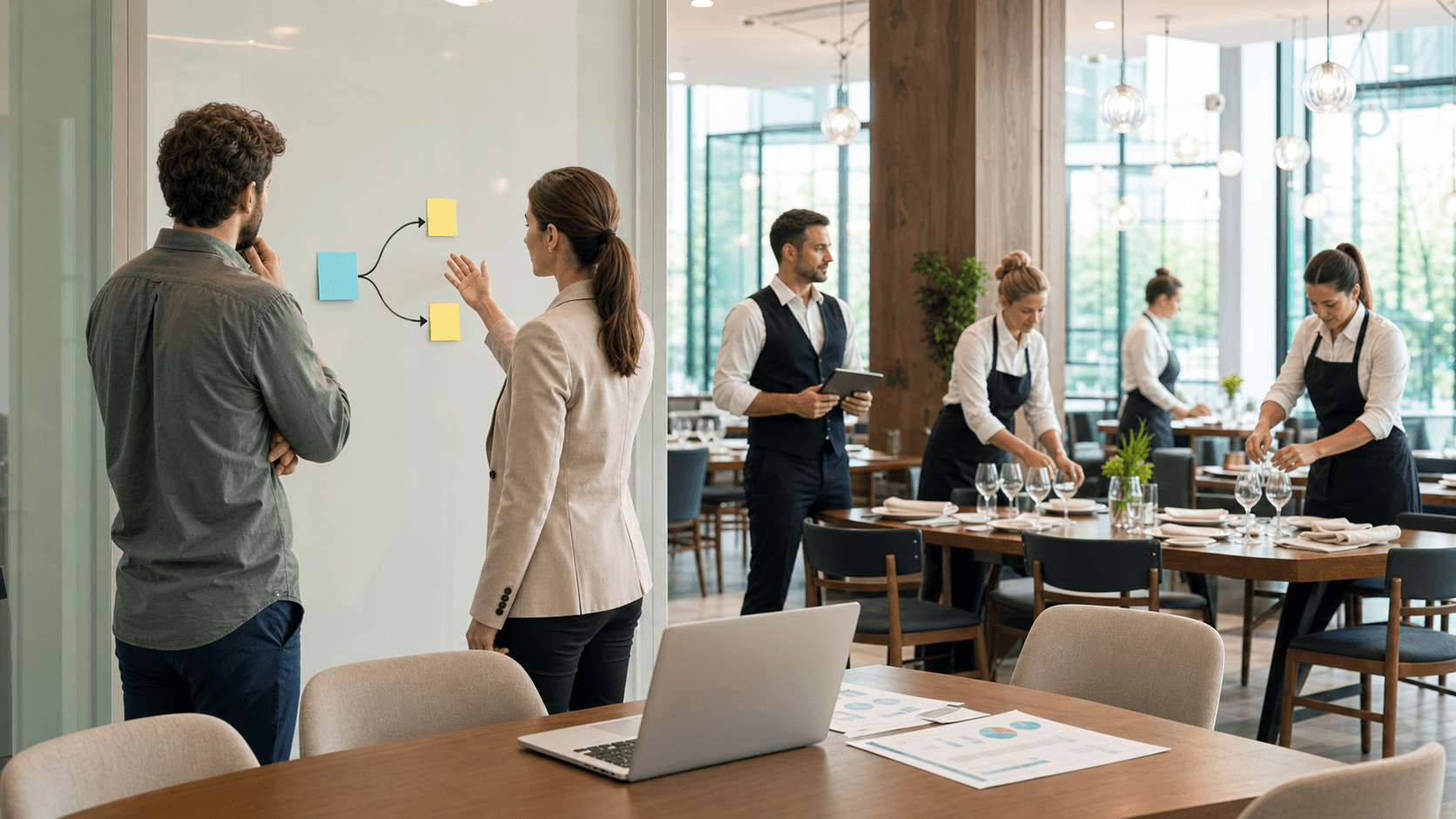
At this stage, restaurant owner coaching shifts again. You are moving from being the best server or chef in the building to being a coach of coaches. The work is about:
- Building leadership capacity so you are not the only one who can make decisions • Using data smarter so you know where profit really comes from • Deciding which chances to say no to, even when they look exciting
Deliverables that support real growth include:
- A leadership and management toolkit: manager scorecards, one-on-one frameworks, hiring benchmarks, and a simple way to hold supervisors to standards without hovering • An expansion readiness check: standardized recipes, training systems, vendor relationships, and brand guidelines that live in the building, not just in your head • A channel strategy so you can compare catering, events, merch, or another unit with real pro formas, not just vibes
At scale, a different set of KPIs sits at the top of the list:
- Owner workload metrics: days off per month, hours spent in the venue versus on the business, and how many major functions can run without you in the room • Location and channel performance: profit by daypart, by channel (like on-premise, takeout, third-party, catering), and by menu category • Team and culture signals: management turnover, average tenure in key roles, internal promotion rate, and patterns in sick calls or shift swaps that hint at burnout before it blows up
How to Spot Real Operator Coaching From the Fluff
Not all coaching is created equal. Some red flags are easy to spot if you know what to look for.
Watch for coaches who:
- Talk more about branding and “vibe” than about plate cost, labour grids, and prep lists • Cannot answer what a healthy prime cost target might be for your style of spot, in your city, at your price point • Only offer slide decks, mood boards, or generic PDFs that could apply to any business
A credible coaching relationship feels different. You are working with someone who:
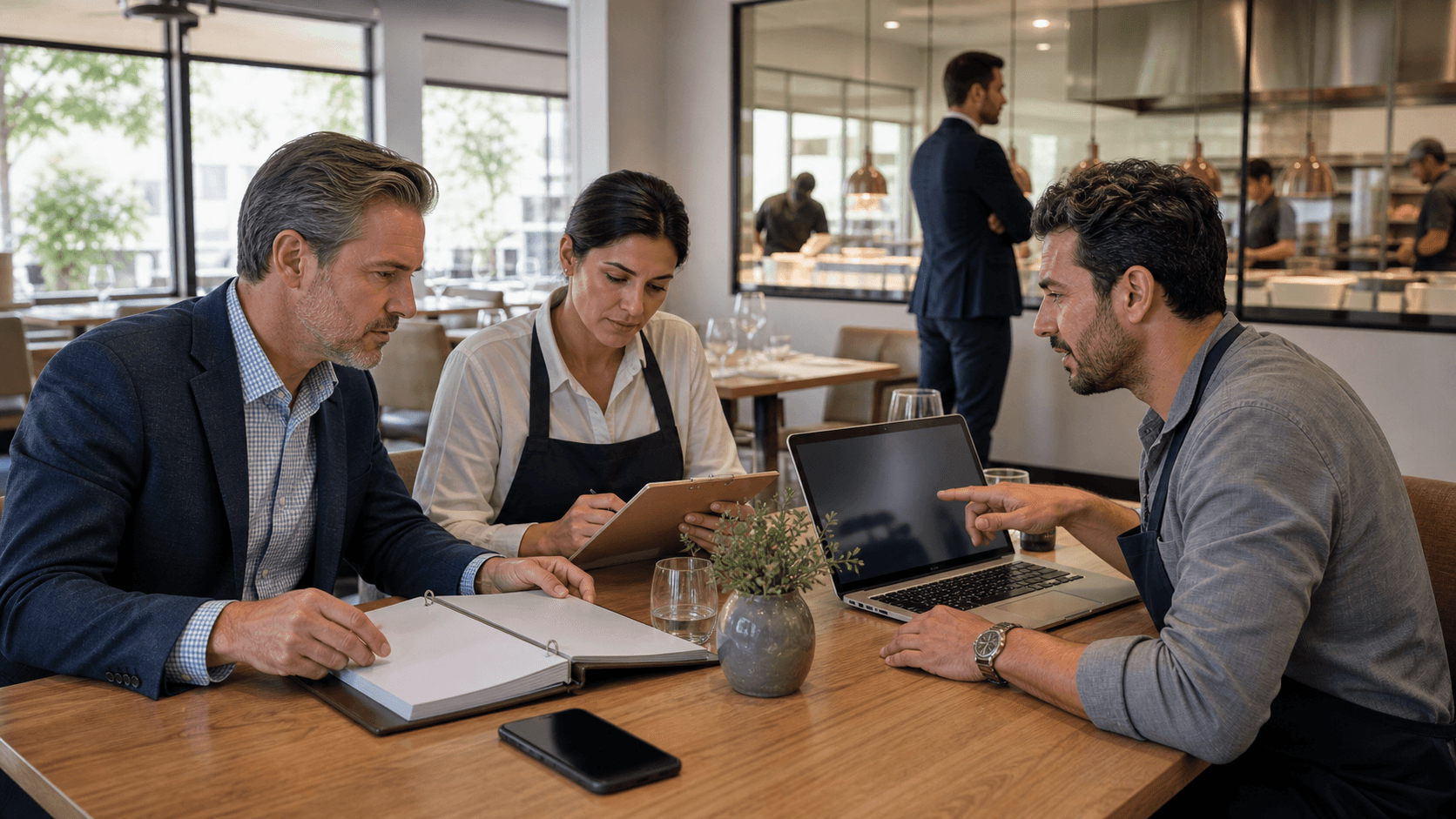
- Asks for your last few P&Ls, POS reports, and schedules before giving strong opinions • Can look at your service flow, station setup, and numbers and quickly spot where things are breaking down • Spends a lot of time on unglamorous work: inventory clean-up, job descriptions, schedule structure, menu design fixes, and sometimes telling you to kill a favourite dish because it wrecks your margins
There is also a mindset shift on the owner side. You are not buying inspiration. You are paying for structure and hard-won experience. That means being ready to look at real numbers, not just how Fridays feel, and being open to challenging some sacred cows.
If You Want Real Numbers and Real Time Back
Where you are in the life of your restaurant should shape what you get from any coach. If you are pre-open, signing a lease or in build-out without a clear plan for menu economics, staffing, or pre-open cash flow, this is the moment to lock things in properly. If you are in that “busy but broke” stabilize phase, covering shifts and guessing at your numbers, what you need are systems and accountability that fit an independent, not another app or a generic playbook. And if your place is working but only because you never stop grinding, scale work means building leadership and structure so the restaurant runs well even when you are not on the floor.
This is exactly the kind of work we focus on with owners, built on more than two decades spent on the floor and in ownership, including right here in Canada where patio season and winter slumps hit hard. Real restaurant owner coaching should leave you with cleaner numbers, clearer systems, and more control over both your margins and your time, no fluff needed.
Transform Your Restaurant Into A Profitable, Self-Running Business
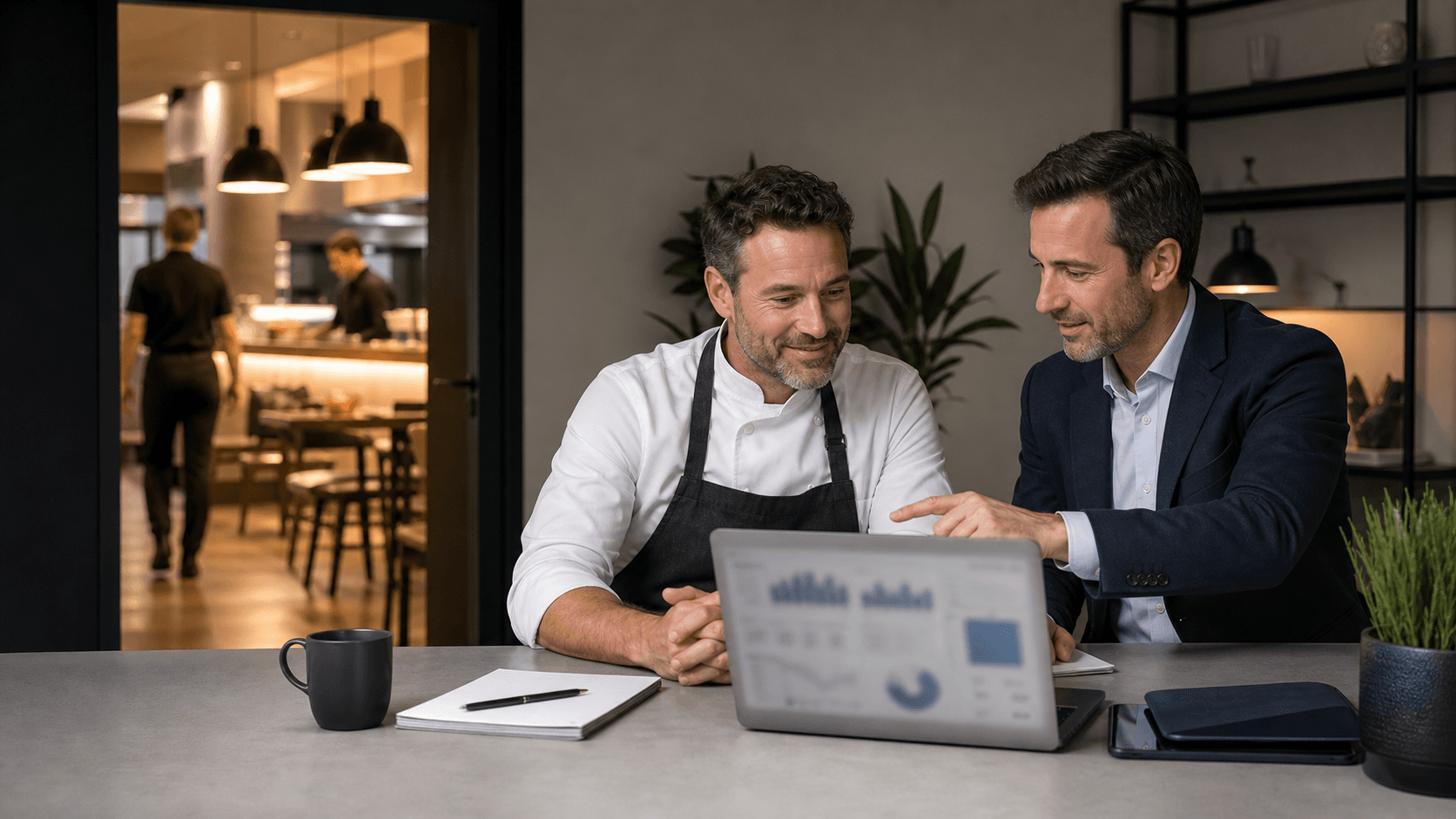
This work is primarily done remotely, working through your numbers, systems, and team structure, so you get results without needing someone in your restaurant every week.
If you are ready to reduce stress, tighten up your operations, and grow sustainably, our restaurant owner coaching is built for you. With Nathan Satanove, we work with you to create systems, improve team performance, and get your time back without sacrificing guest experience.
Tell us a bit about your restaurant and goals through our contact page so we can map out your next steps together.