Ten Minutes That Decide Tonight’s Profit
Most restaurant owners think profit is decided at the end of the night, when the last table leaves and you close the books. In reality, it is mostly decided by the time staff clock in and you call pre-shift. The food is prepped, the lineup is forming, and your labour is already loaded. At that point, you are either set up to make money or to leak it.
What I see in a lot of independents: a rushed pre-shift, a few random reminders shouted from the pass, a quick note about a 6:30 group, maybe a new feature yelled across the room. Then, at close, everyone is shocked by high labour, missed upsells, comps and voids that kill the margin.
This is where a short, structured pre-shift profit huddle comes in: 10 tight minutes that lock in standards, sales focus, and labour targets before the first ticket drops.
I have run restaurants long enough to know that spring and summer patio season, Mother’s Day, grad dinners and long warm evenings in places like Edmonton can either make your year or expose every weak system you have. What I am sharing here is not a pep talk. It is a simple operating routine any independent can run, even without a full management team or some corporate training program.
Why Most Pre-Shift Meetings Are Useless
Most pre-shifts are more habit than tool. Someone stands at the pass and rattles off a few things:
- Any questions on the menu?
- We have a birthday at table 12, sing something.
- Oh, and we are out of that fish.
Then it is straight into chaos. No clear targets, no shared plan, and zero link to profit.
Here is what that costs you shift after shift:
- Servers default to what feels safe, so they miss high-margin features and easy add-ons.
- The kitchen gets surprised by 86s and tricky dishes, so mistakes spike and comps follow.
- Managers walk into service with no handle on labour, then react instead of adjusting early.
Many owners tell me they do not push pre-shifts because they feel too corporate, or they have never seen one done well. Often the person running it has never been trained to lead a room, so the meeting turns into either a lecture or filler chat about nothing that moves the numbers.
A real operator-driven huddle looks very different. It is:
- Specific
- Measured
- Focused on three things only: standards, sales mix, labour
No speeches, no fluff. Just a clear setup for the night that everyone can understand and act on.
The Three Non-Negotiables of a Profit Huddle
The goal is simple: a daily 10-minute or less ritual that has your team rowing in the same direction, especially on busy spring and summer nights when the patio is humming and you cannot afford to leave profit to chance.
Non-Negotiable 1, Standards and behaviours:
Pick one or two service or product standards for the shift. Examples:
- Greet times, like how fast you touch a new table
- Check-backs on mains
- Table touches from a manager
- Key plating or expo details
For each one, spell out what “good” looks like and what “unacceptable” looks like, in plain language. Then make clear what happens if it slips. Not in a threat way, just clear consequences: guest complaints, comps, lost repeat business, more stress for everyone.
Non-Negotiable 2, Feature and Upsell Focus:
You do not need ten things to push. You need one clear feature and one clear upsell play.
- One high-margin feature, ideally seasonal and easy to talk about
- One upsell move, like adding a side, a premium spirit, dessert to share, or after-dinner coffee
Then do a super quick script. Have a server say it out loud, tighten the wording, and move on. No long training session, just: here is how we talk about it tonight.
Non-Negotiable 3, Labour and Table Strategy:
Labour is not just a number on a report. It is a series of choices during the shift. In the huddle, you:
- State the labour target and what that means in hours or cuts
- Explain which sections close first and who floats
- Call out reservations, events, and likely rush times
If it does not touch standards, sales mix, or labour, it does not belong in the huddle. Handle side issues in separate training or one-on-ones.
A Simple 10-Minute Huddle You Can Drop In Tonight
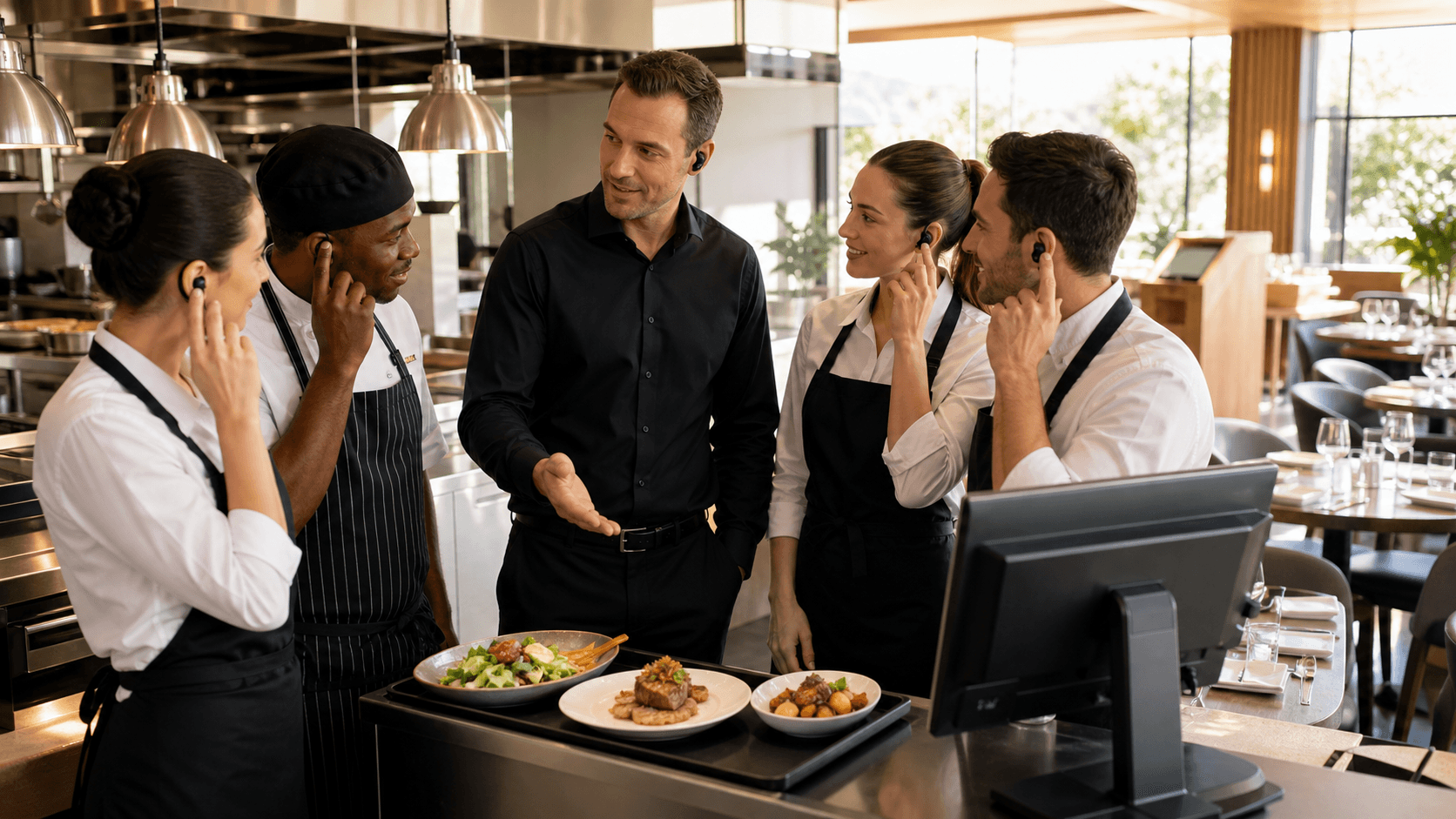
Set the scene. Pre-service, everyone you actually need for service is present: servers, support, and key back-of-house. Phones away, music down. Someone leads from a spot where they can see the room, not yelling from the line.
Minute 1 to 2, Snapshot of the night:
- Covers expected, reservations, large parties
- Where the squeeze points will be by time or section
- Clear notes on 86s, low-prep items, and anything that affects timing or check average
Minute 3 to 5, Standards and feature focus:
- Call out the one or two standards for tonight
- Give a quick “do this / do not do this” story for each
- Introduce the feature and upsell focus using simple language
Ask one or two staff to pitch the feature out loud as if they are at the table. Tighten the pitch, keep it to a sentence or two, and lock it in.
Minute 6 to 8, Labour plan and roles:
- Share today’s labour target
- Explain what hitting that target looks like with cuts and sections
- Assign clear roles: who owns expo in the rush, who handles walk-ins, who is point for guest recovery and comps
Minute 9 to 10, Quick round and close:
- Ask each server, “What is one thing you are focused on selling tonight?”
- Take only answers tied to the feature, upsell, or another high-margin move
- Final check for questions that affect the whole shift
Then close simply: “Tonight we are aiming for this cheque average, this labour target, and these standards. We will check back at cut.”
This is a simple, repeatable system. It does more for your margin than any thick training binder or generic coaching session.
Measuring If Your Huddles Are Actually Making Money
If you run these huddles for a few weeks and do not see movement in the numbers, something is off in how they are led or how the plan is enforced during service. This is not theory. It should show up in your reports.
Track a few simple metrics:
- Check average by server and by shift, with attention to your feature and upsell
- Void and comp rate, especially tied to misfires you already know about
- Labour as a percentage of sales by daypart, before and after you start real huddles
- Guest complaints or recovery moves on your busy warm-weather nights
Then build a quick post-shift ritual at cut. Two minutes, max:
- Did we hit the standard?
- Did we push the feature?
- Did we manage labour the way we said we would?
Use the next pre-shift to close the loop. Shout out what worked, call out where standards slipped, and adjust tonight’s targets.
Seasonal volume matters. On busy spring and summer nights, a small lift in cheque average and a tighter handle on labour can carry you through the slower, colder months. Someone who has actually run the floor can help you read those numbers in context, not just hand you a spreadsheet and a few buzzwords.
Ready To Turn Your Next Pre-Shift Into Profit
You do not need a corporate manual to get better margins. You need a simple, consistent 10-minute huddle that lines up standards, sales, and labour before you unlock the doors. Before, service feels rushed and random, and labour calls happen in panic mode. After, everyone walks in knowing the plan, the hero items to sell, the non-negotiable behaviours, and why certain labour decisions are going to happen.
If you are reading this thinking, “We talk before shifts, but it is nothing like that,” that is normal. Most independents were never shown how to run pre-shift as an actual profit tool.
This is where working with a real operator matters. A typical agency or coach will give you templates and slogans. I stand in your dining room, look at your floor plan, your line, your actual team, and we build a huddle that fits your volume, your menu, and your labour reality.
If you want help turning pre-shift into a profit habit instead of a box to tick, let’s talk. I am happy to walk your room with you, look at your numbers, and map out a simple huddle that your team will actually run on a Friday double, not just on a quiet Tuesday. Book a quick discovery call and we will see if it makes sense to tighten this up together.
Get Started With Your Project Today
If you are ready to build a stronger, more consistent guest experience, we are here to help. As your dedicated restaurant staff training consultant, Nathan Satanove will work with you to design practical, tailored training that fits your operation. Reach out so we can discuss your goals, identify quick wins and map out a realistic training roadmap for your team. To start the conversation, simply contact us today.