The Real Price of "Done" SOPs in Your Restaurant
Standard operating procedures sound like the answer to everything. You pay for a clean set of documents, everyone follows them, and your margins tighten up. In theory. In real life, most owners pay once for SOPs, then pay again in stress, time, and lost profit when those systems never really land on the floor.
Late summer is when this hits hardest. You are lining up for fall groups, office parties, and the holiday run. Someone just handed you a shiny SOP package, and nothing in the building actually feels different. I have been there. Early in my career, I bought a big binder of "proven" systems, parked it on a shelf, then watched labour, waste, and comps creep up while everyone kept doing things the old way.
The problem is simple: delivery gets sold as the finish line. In reality, it is the starting gun. After the handoff come the hidden costs, the ones nobody prices in:
- Implementation work
- Training and retraining through turnover
- Compliance drift over time
- Endless update cycles as menus and seasons change
If you want SOPs that actually move the P&L, you have to design for all of that from day one.
Implementation Is Where SOPs Go to Die
Most people selling restaurant SOPs stop at the handoff. You get a folder of PDFs, maybe one workshop, and then they disappear. Now it is on you and a tired GM to roll it out between cover counts, hiring, and putting out fires.
Real operator life looks like:
- No time for 3-hour meetings
- Constant interruptions from tickets, deliveries, and staff questions
- A team that has done it "their way" for years
So the neat SOP package turns into a half-built mix of old and new. One server runs the new steps, another does the opposite, the bar ignores the new par sheets, and the kitchen is stuck in the middle. Confusion goes up, consistency goes down.
There is also the hidden labour cost nobody talks about. To actually put SOPs into play, someone has to:
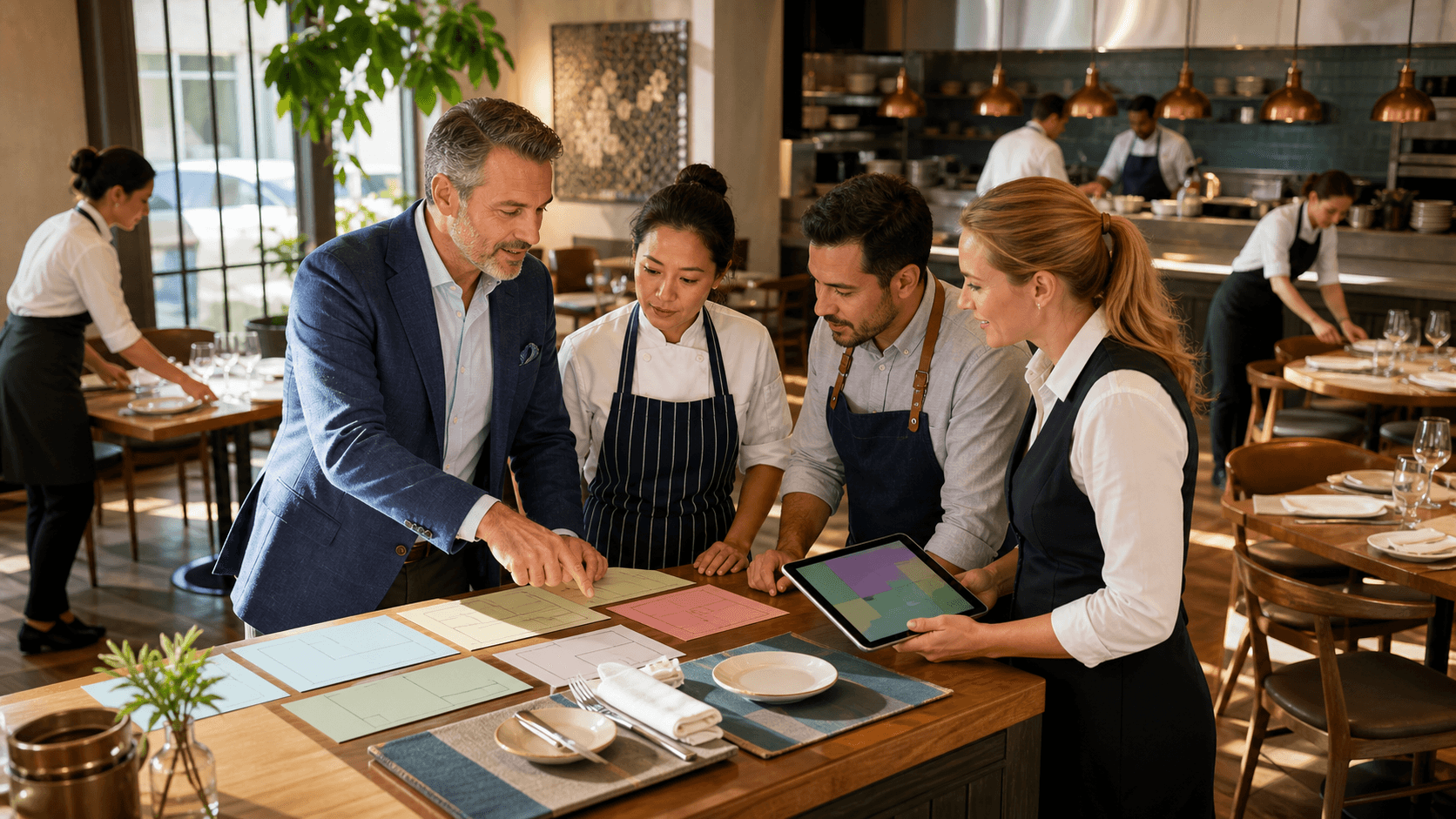
- Break long documents into usable checklists and station sheets
- Slot them into your current systems, POS, and side duties
- Print, laminate, post, and keep track of versions
- Adjust tickets, modifiers, and promos
- Retrain people mid-shift while tickets are on the rail
That work pulls managers off the floor, slows service while staff learn new steps, and adds payroll hours for "training" that was never really planned. If implementation is not baked into the project, you did not buy change, you bought documents.
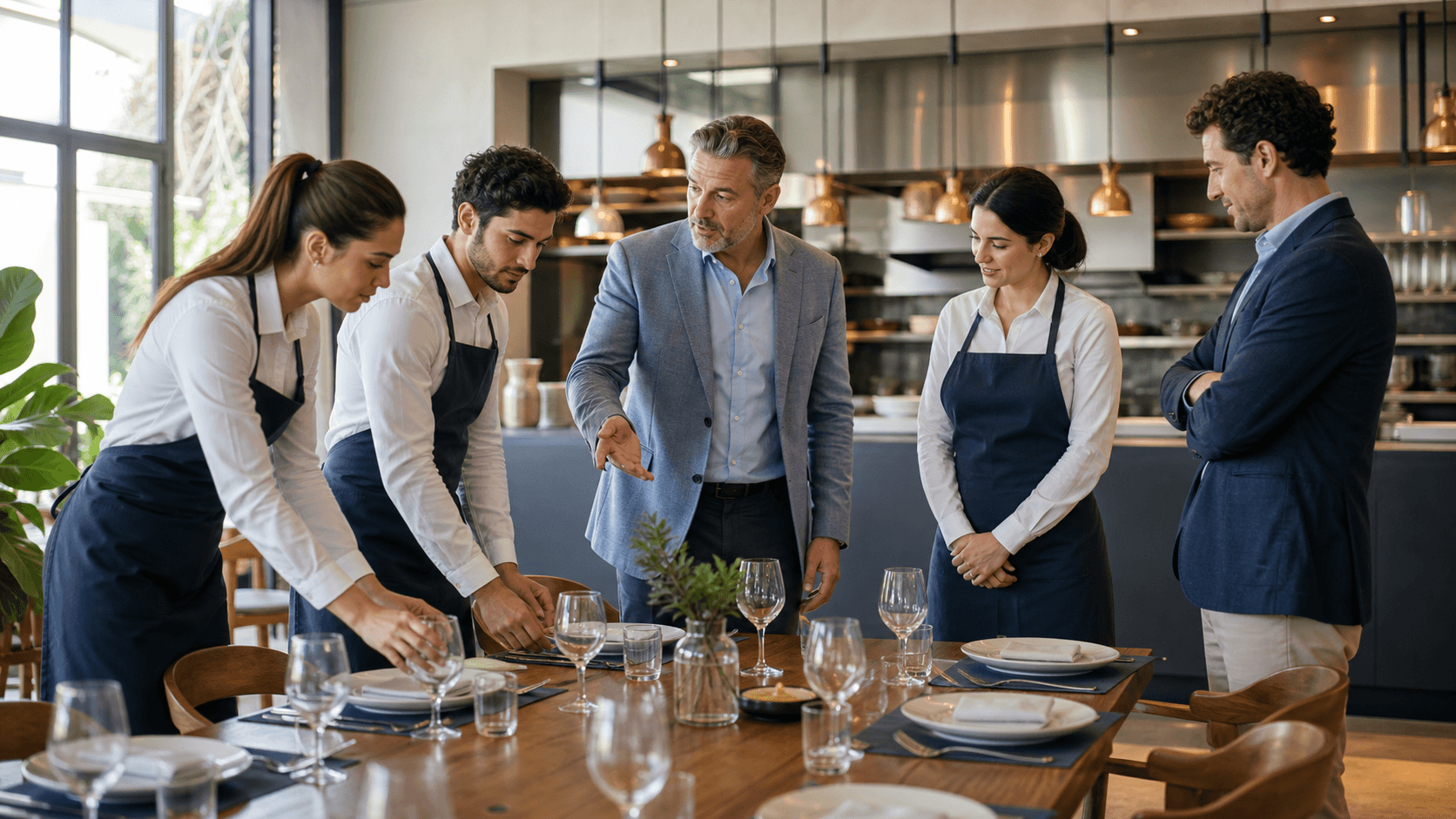
An operator-led rollout looks very different. I phase it in:
- One shift, one section, or one station at a time
- Folded into pre-shifts and lineups, not stand-alone seminars
- Stress-tested during actual service, then tweaked
We build systems into rhythms you already have, like line checks, closing walks, and weekly manager meetings. That is the only way the team can carry the change without getting crushed.
Training Time, Turnover, and the Real Cost of Buy-In
Most people treat training like an event. Bring everyone in, talk for two hours, show some slides, then hope they "get it." In a busy restaurant, that is not how behaviour changes. Staff remember a small slice of what they hear, and they care a lot more about tips, cut times, and getting home than your new table touch script.
Real training has a curve:
- First exposure to the new standard
- Guided reps with a lead or manager watching
- Feedback in real time, at the station
- Corrections and reminders in the next few shifts
- Reinforcement over weeks, not days
When that does not happen, the pattern is always the same. Everyone nods during training, then a week later they are back to old habits, because those habits are what gets them through a slammed Friday.
Then there is turnover. You grind to get the crew dialed in, then a couple of servers leave for school, a cook bounces to a different kitchen, and now you are restarting the training cycle. Late summer and fall hit availability hard, right when you are trying to tighten up for the holiday push. If training is just "that meeting we did once," every new hire resets your standards.
Operator-driven training gets built into daily operations:
- One clear focus in each pre-shift
- Station sign-offs for key roles, not just "shadow for two days"
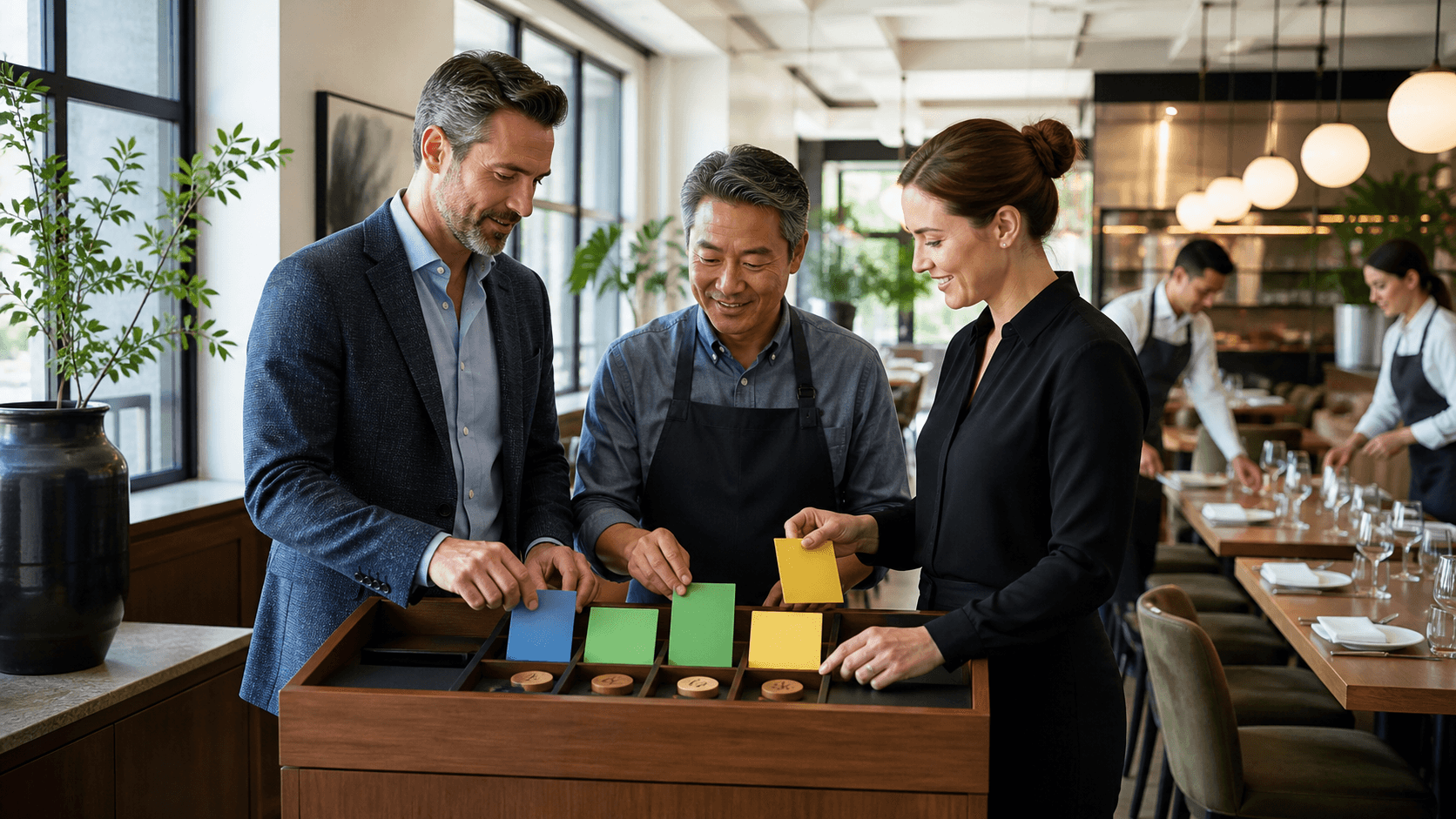
- Simple visual tools like laminated station cards and checklists
- Leads and seniors who were properly taught so they do not pass on shortcuts
When I build SOPs, I am not just handing over documents. I am giving you a repeatable way to bring people into your standards without you standing there every second.
Compliance Drift and Why Good SOPs Fade
Even with good people and good systems, standards slip. That slow slide is what I call compliance drift. It shows up as:
- Closing checks that get "shortened" to save time
- Free pours creeping into recipes
- Portion sizes growing when no one weighs anything
- Garnishes getting sloppy because the cut board is slammed
The drivers are obvious to anyone who has worked a line: rush periods, understaffed shifts, new managers who never lived the rollout, and senior staff teaching quick shortcuts that helped them survive a busy night.
Drift hits margins in a quiet way. Food cost inches up when recipes are loose. Labour gets less efficient when steps are skipped, because fixes and remakes steal time. Comps go up "to save the guest" when the problem was sloppy execution. On top of that, inconsistent standards crush repeat business. Guests never quite know which version of your restaurant they are walking into.
Heading into fall and holiday season, that hurts. Your busiest months are where you could be locking in loyal guests. Instead, you are training them to expect average.
Keeping SOPs alive needs simple systems:
- Short daily audits and spot checks, not long inspections
- Regular manager walk-throughs with clear focus points
- A few core metrics watched every week, like waste logs, plate photos, ticket times, and check average
If you are paying for help on SOPs, you should walk away with those monitoring tools and rhythms, not just a list of what "should" happen.
Update Cycles, Menu Changes, and Seasonal Reality
SOPs go out of date faster than most owners think. Menus shift for cooler weather, suppliers change, prep volumes move up and down with school going back and patios closing, and suddenly the documents that were "brand new" do not match what is happening on the line.
Typical fall examples:
- New comfort dishes added without updated prep guides
- Holiday party menus that do not match the existing service flow
- Old par levels still posted even though traffic has changed
When staff see that the paper is wrong, they stop trusting all of it. They build their own workarounds, and now standards live in people's heads again.
If updates are not planned, owners end up:
- Editing Word docs late at night
- Losing track of which version is current
- Letting managers make "side agreements" that never get written
That chaos hits margin. Wrong pars cause waste and stock outs. Prep gets misaligned. Labour scheduling is off because nothing matches reality.
I design SOPs to evolve, not be rewritten from scratch. That means:
- Clear templates that can be tweaked per season or menu cycle
- Simple version numbers and a small change log
- One named owner for updates who is not your most overloaded manager
When you talk to anyone about helping with systems, ask how they support the first 6 to 12 months of changes, and how they build internal ability so you are not stuck calling them every time you tweak a garnish.
How to Avoid Paying Twice for the Same SOPs
If you want SOPs that actually hold up on a slammed Friday, ask hard questions before you hire anyone. For example:
- Who owns implementation inside the project, you or them?
- How many weeks are planned for rollout, not just writing?
- How is training handled with high turnover and seasonal changes?
- What is the plan to spot and correct compliance drift?
- How will updates be managed as your menu and traffic patterns shift?
Watch for red flags like "plug and play" promises or systems that magically work the same everywhere. If someone cannot explain how their plan holds up with half the team in the weeds and a line at the door, they have not lived it.
Working with a real operator looks different. It is less about decks and more about:
- Standing on the line during service
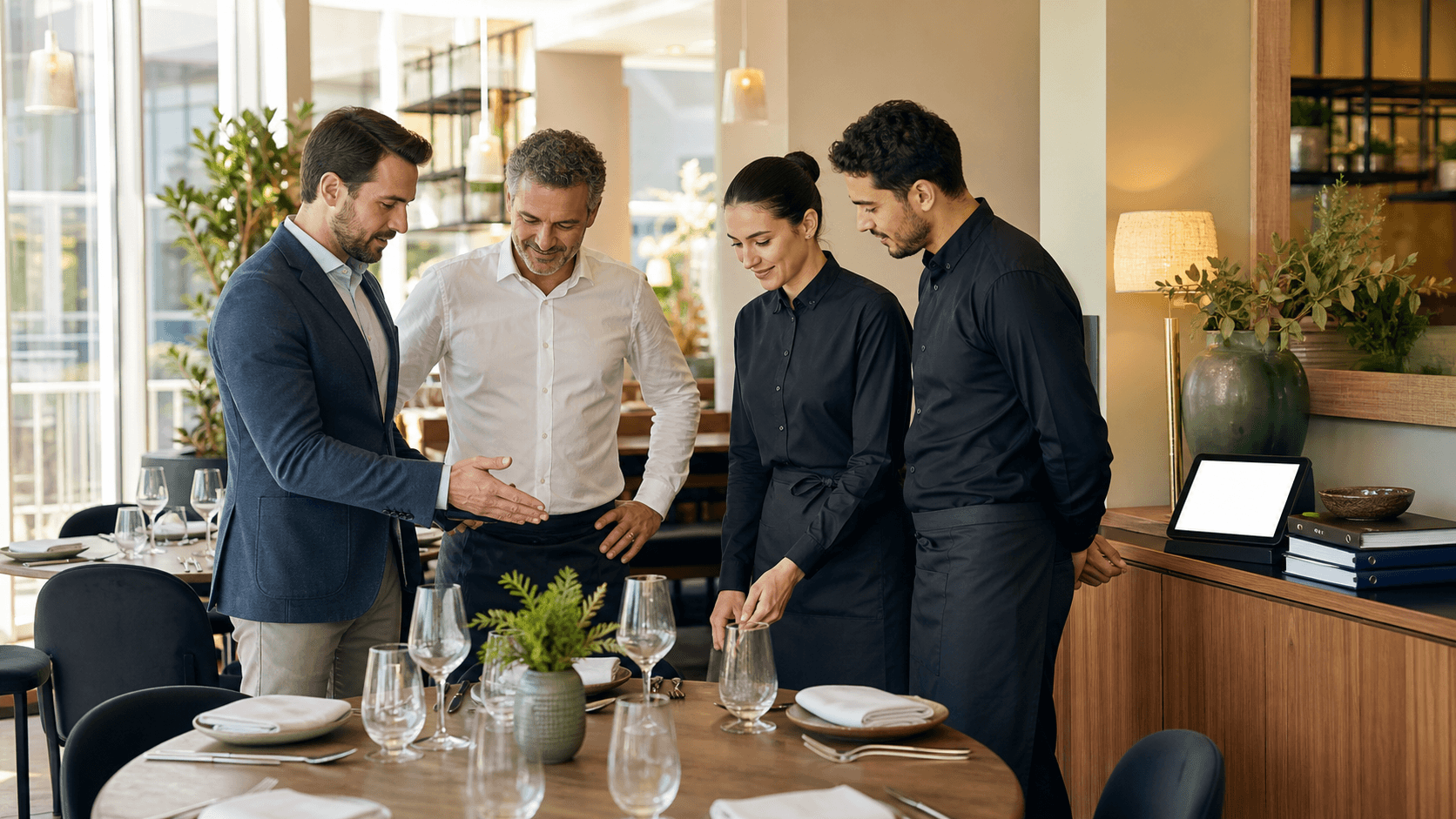
- Running pre-shifts and watching how staff actually move
- Adjusting checklists and flows in real time
When I build SOPs with an owner, they are based on your actual menu, your layout, your equipment, and your staff mix. The goal is simple: tighter margins, less waste, more consistent guest experience, and fewer nights where you feel like everything will fall apart if you are not in the building.
If you are looking at SOPs right now and you do not want to pay twice for the same work, let's talk. Book a short discovery call with me, Nathan Satanove, and we will walk through where your systems are really leaking profit and what it would take to build standards your team will actually use.
Get Started With Your Project Today
If you are ready to standardize your operations and support your team with clear procedures, our restaurant SOP development services are built to help. With Nathan Satanove, I collaborate with you to understand your current workflows and turn them into practical, easy-to-use systems. Tell us about your restaurant and goals through our contact page so we can outline the best approach for your project.