A restaurant operations consultant can help keep holiday service from unravelling, but it does not happen through a binder, a pep talk, or telling a tired team to push harder. The trouble usually starts weeks before the first packed Friday: bad booking decisions, thin prep, unclear roles, weak communication, and an owner still making every call during service.
Strong holiday sales can feel like a win right up until January bills arrive. Overtime, waste, comps, walkouts, poor pacing, and burned-out managers can eat into the margin fast. Our goal is not to simply survive the rush. It is to protect service, profit, and your control of the operation.
Holiday Service Fails Before the First Rush
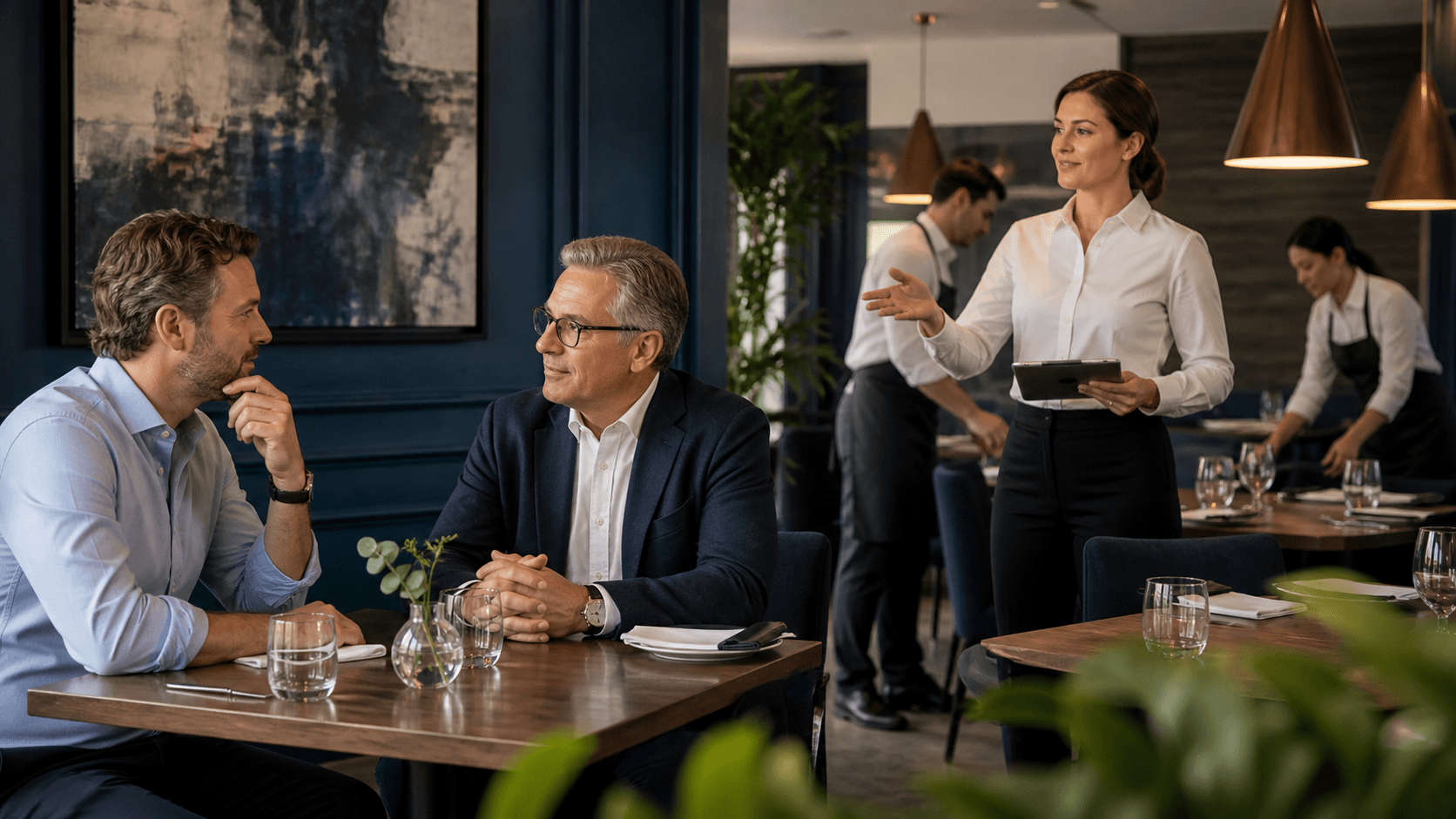
After more than 20 years working restaurants from the floor to the pass, we know how quickly a good night can turn. A cook does not show up. The host stand takes too many walk-ins. Bar tickets pile up. A large party arrives early. Suddenly, managers are expediting, seating tables, fixing guest complaints, and trying to close a payroll gap all at once.
That is not a staffing problem alone. It is usually a planning problem.
A restaurant operations consultant starts with the real conditions inside your business. That means looking at how your kitchen, bar, dining room, reservation book, prep team, and managers actually work together when volume hits. Independent restaurants cannot rely on generic corporate playbooks. Your layout, team, menu, and guests create a specific set of pressure points.
Find the Pressure Points Before They Hit Service
Before holiday bookings peak, we look for the places where capacity is assumed rather than proven. A dining room may have 90 seats, but that does not mean the kitchen, bar, dish area, host stand, or floor team can handle 90 covers at the same time without service slipping.
Different services create different risks. A busy Friday dinner is not the same as a corporate lunch, holiday buyout, late brunch, or delivery-heavy evening. Each one needs its own plan for pacing, labour, prep, and management coverage.
A useful operational review should include:
- Historical sales by daypart and service period
- Reservation patterns, large parties, no-shows, and walk-in demand
- Kitchen ticket times, bar capacity, and takeout volume
- Staffing levels, callout coverage, and manager schedules
- Menu mix, prep demands, modifiers, and private event commitments
Some of the biggest problems are easy to miss until service is already falling apart. We often find incomplete prep lists, too many high-maintenance menu items, weak sidework standards, or managers trapped at expo instead of leading the floor.
For example, a restaurant may believe its main bottleneck is a lack of servers when the real issue is reservation pacing. Seating too many tables in a short window can overload the kitchen, slow ticket times, frustrate guests, and keep tables from turning properly. Fixing that pressure point means tracking smoother seating flow, fewer delayed tickets, and less need for recovery comps.
Build a Service Plan People Can Use Under Pressure
Your team does not need another long manual that sits in a drawer. During peak service, people need clear decisions, simple tools, and defined ownership.
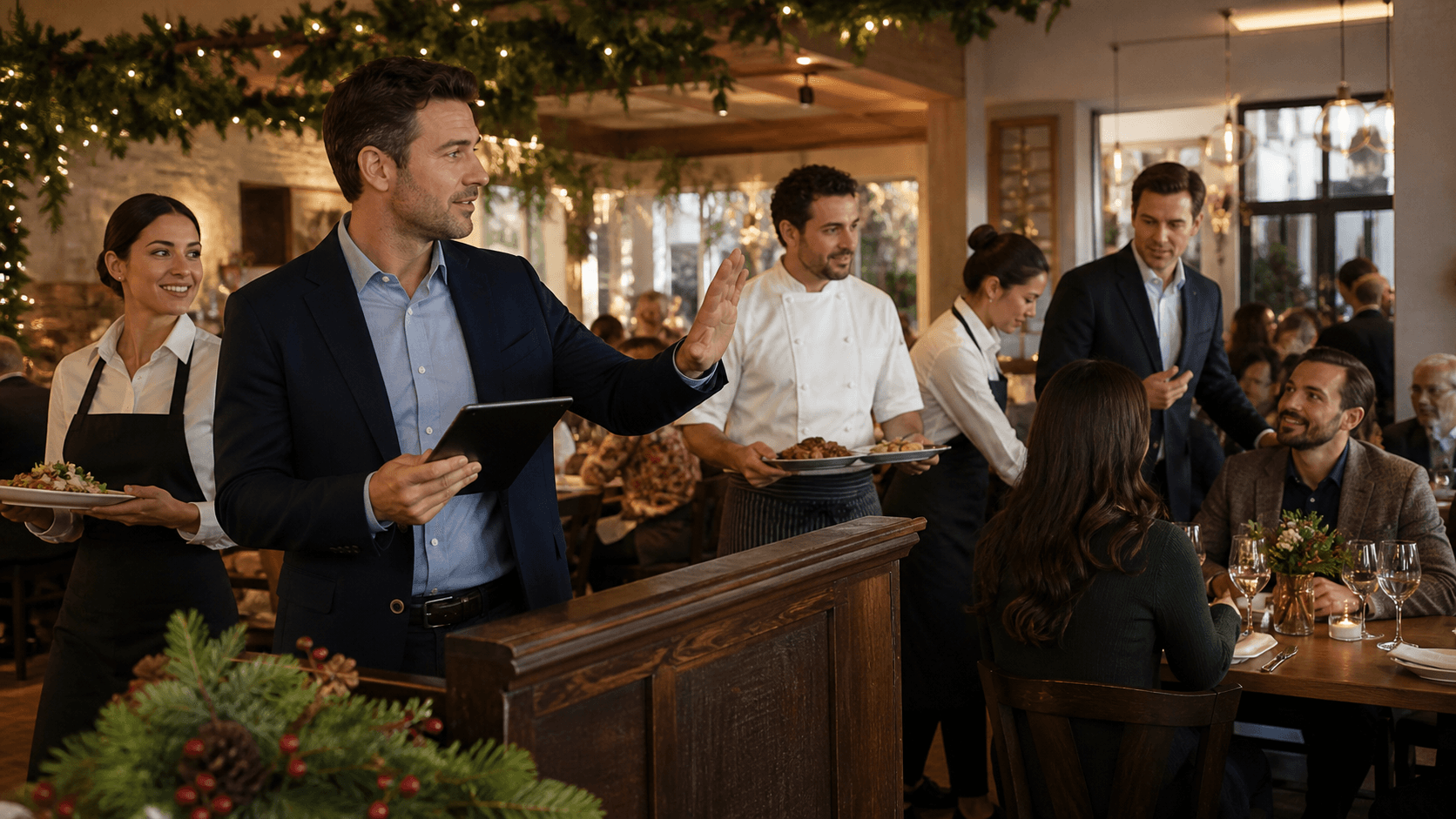
For the busiest shifts, we build a service map that answers one basic question: who owns what when the printer will not stop?
That map should make clear who is responsible for:
- The door, reservations, waitlist, and seating pace
- Floor sections, guest communication, and large-party timing
- Expo, kitchen communication, and rising ticket times
- Bar tickets, takeout orders, staff breaks, and closing duties
- Guest recovery when something goes wrong
The owner and managers also need a clear decision path. Who can pause seating? Who communicates an item shortage? Who moves staff between sections? Who speaks to a guest when a table is delayed? If those answers are not settled before service, every issue lands on the same person, usually the owner.
Pre-shift meetings matter most when they are specific. "Let's have a great night" does not help a server manage three large parties and a short kitchen. We focus on the actual service ahead: bookings, known staffing gaps, menu shortages, expected rush windows, sales goals, special events, and service priorities.
Short debriefs after the shift are just as useful. A five-minute conversation can expose a recurring issue before it repeats through the next five busy services.
Protect Margin When the Dining Room Is Packed
A full room can hide expensive problems. Sales may be strong while payroll rises, food gets wasted, drinks are remade, and managers comp their way through avoidable service failures.
Holiday planning should include a hard look at the menu and beverage program. The question is not only what guests like. It is what the kitchen and floor can execute properly during peak volume. A broad menu with too many modifiers may create a slower pass and more mistakes. Focused group menus, limited features, pre-ordered packages, and smart upselling can support both throughput and average cheque when they fit the operation.
Labour discipline also does not mean cutting people until the room struggles. It means matching the right people to the right shifts, scheduling prep around actual demand, preventing avoidable overtime, and making sure managers have enough support to lead.
Guest recovery belongs in the margin conversation too. Not every delayed table or missing item needs an automatic comp. Managers need to respond quickly, own the issue, explain what is happening, and make a proportionate decision. That protects the guest relationship without training the team to give away margin whenever service gets bumpy.
Turn Holiday Lessons Into Everyday Systems
The holiday period is a stress test. Once the rush is over, the useful work is reviewing what actually happened, not relying on memory.
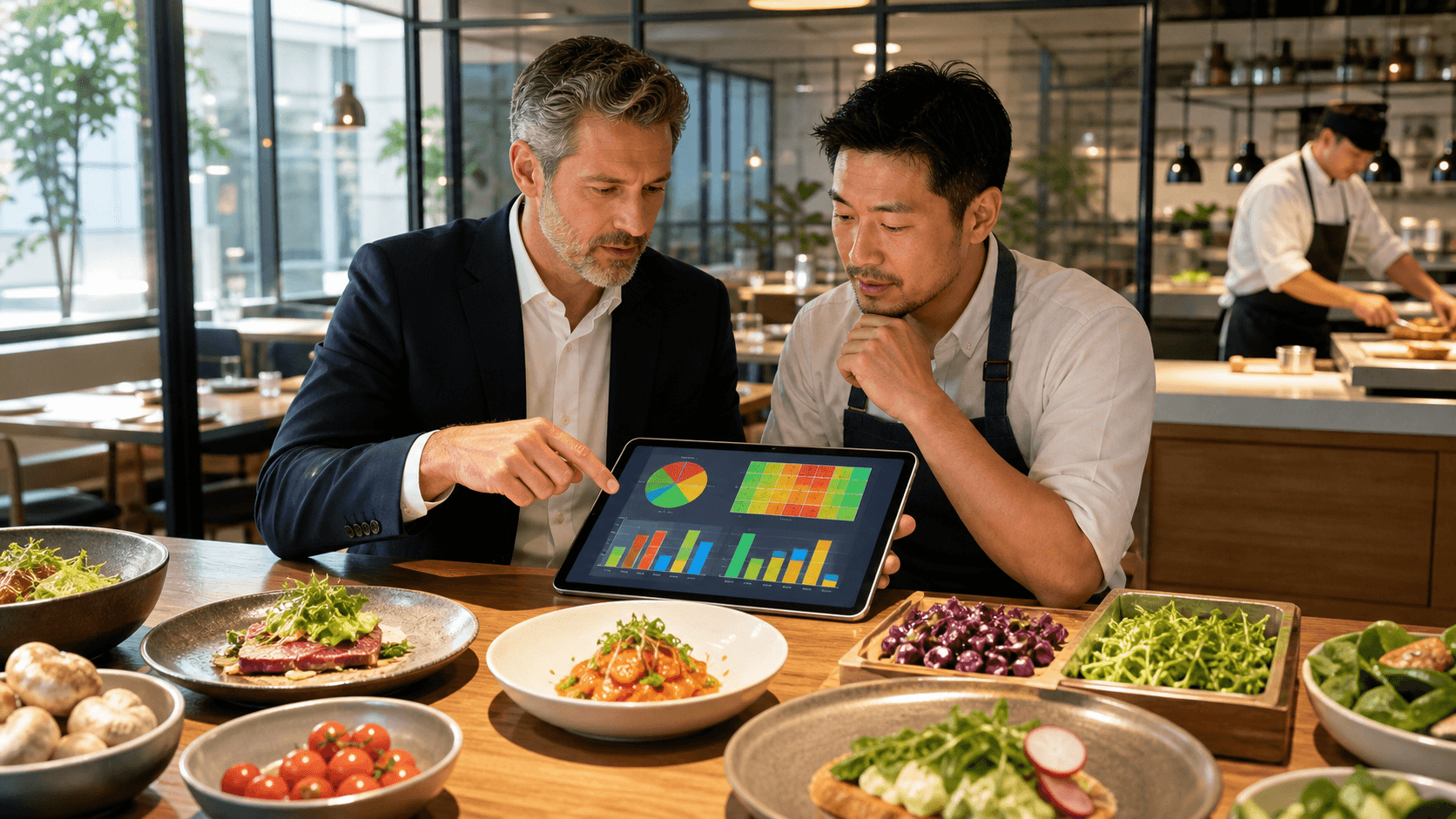
We recommend reviewing sales by daypart, labour percentage, food and beverage costs, ticket times, guest complaints, reservation no-shows, table turns, staff turnover, and manager performance. The point is to identify the few operational changes that made the biggest difference, not bury the business under a long list of low-value observations.
A better prep sheet should not disappear after the holidays. Neither should a clearer opening checklist, manager shift report, reservation policy, sales tracker, training process, or weekly labour review. If a tool reduced chaos during the hardest service period of the year, it will likely help during regular operations too.
This is the difference between getting through a busy season and building a restaurant that needs less firefighting from its owner.
Review the Plan Before the Schedule Locks
If bookings are rising, managers are inconsistent, labour is climbing, or your team has no clear plan for the next several weeks, the time to review operations is before the first major failure. Once guest complaints, staff frustration, and rushed decisions are already piling up, every correction becomes harder.
Holiday service runs better when the operation has clear ownership, realistic capacity limits, controlled labour, and simple systems the team can follow under pressure. Those are not seasonal fixes. They are the operating standards that protect service, margin, staff performance, and owner time all year.
Protect Margin When Service Gets Busy
Nathan Satanove works with independent operators who need practical fixes, not another generic playbook. A restaurant operations consultant can help identify where labour, prep, handoffs, and service standards are costing you money. If you want a clear look at what is holding the operation back, contact us to arrange a discovery call.